
NAVRATRI - Festival of Dance
Why is Navratri Celebrated?
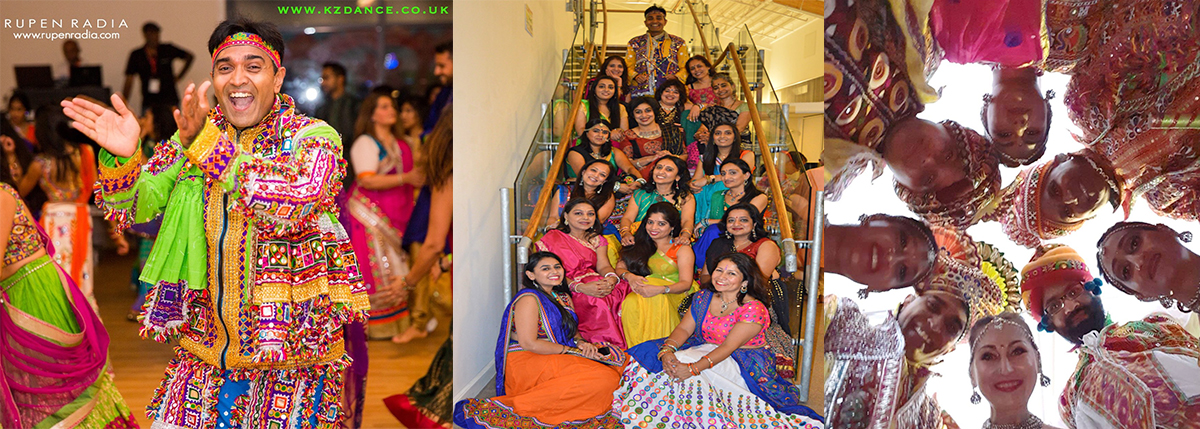
Navratri – is the Sanskrit word and translates to ‘Nine Nights’ and is a joyful Hindu festival that celebrates the powerful goddess Durga and her many forms. Over nine days and nights, people come together to dance, pray, wear colourful clothes, and honour good over evil.
This festival is fun, energetic and known for dancing until your feet hurt.
Each of the nine day’s represents a different form of the goddess, symbolizing qualities like strength, wisdom, courage, love, and protection. Navratri is also a time to bring families and communities together around the world to mark the change in the seasons in India from Monsoon to winter.
How is Navratri celebrated?
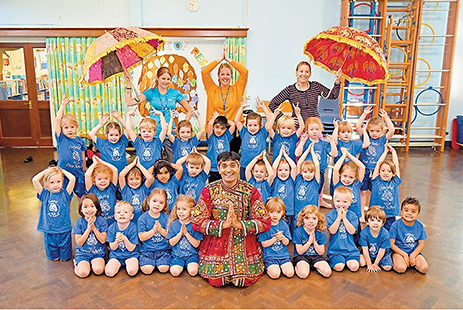
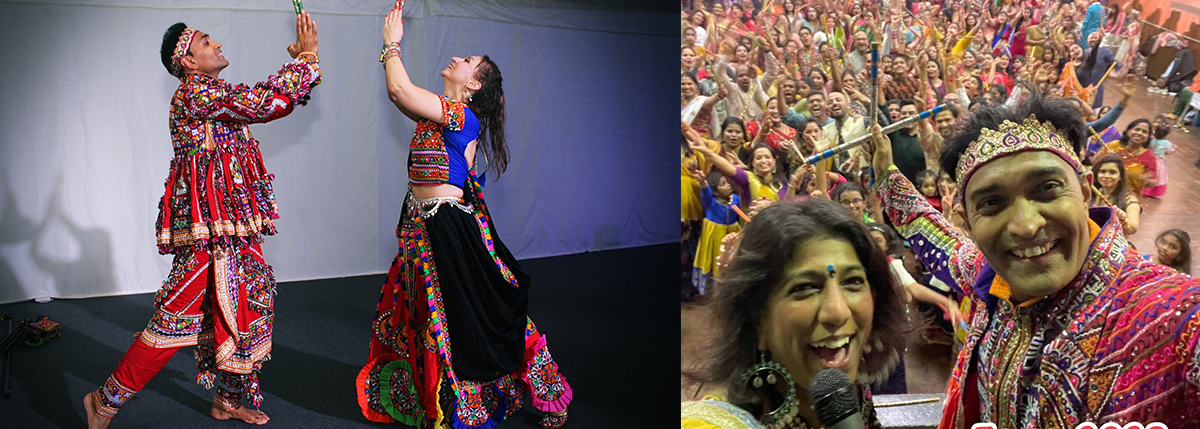
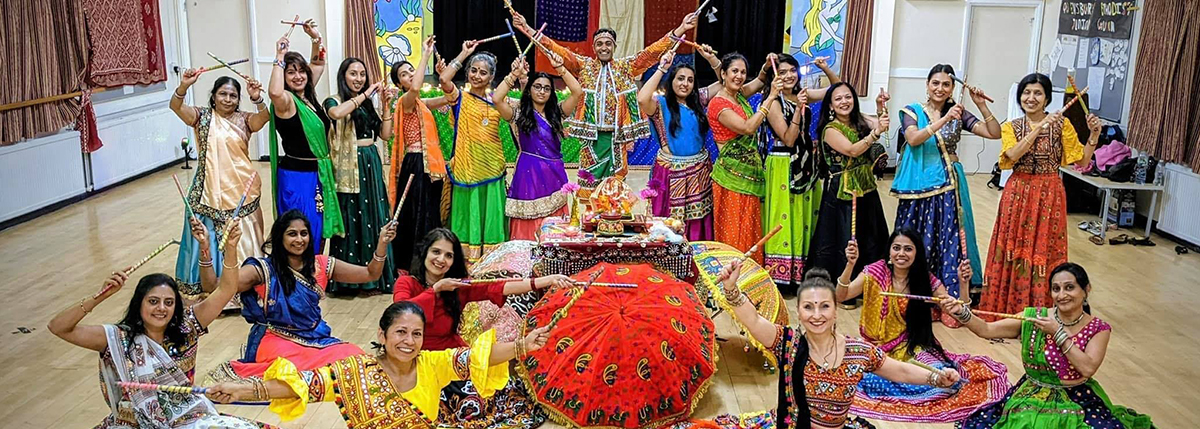
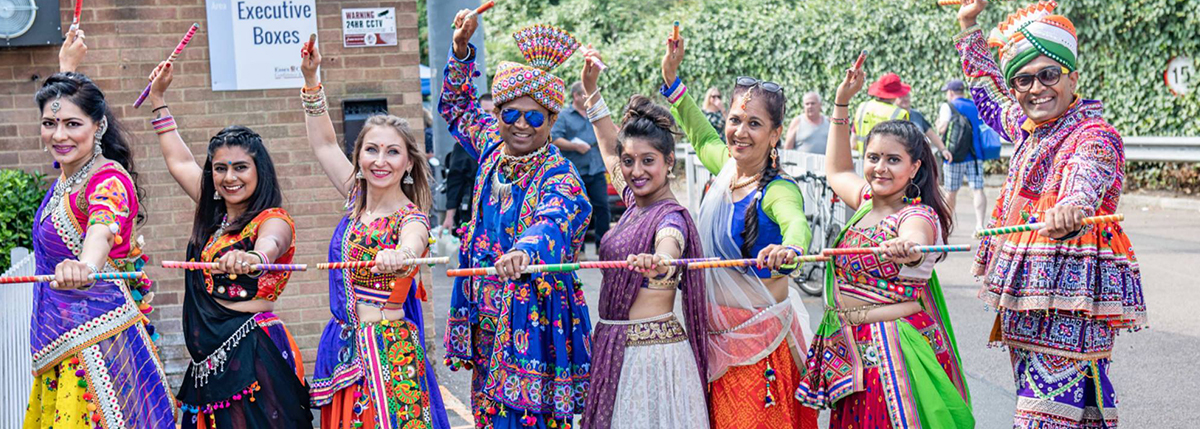
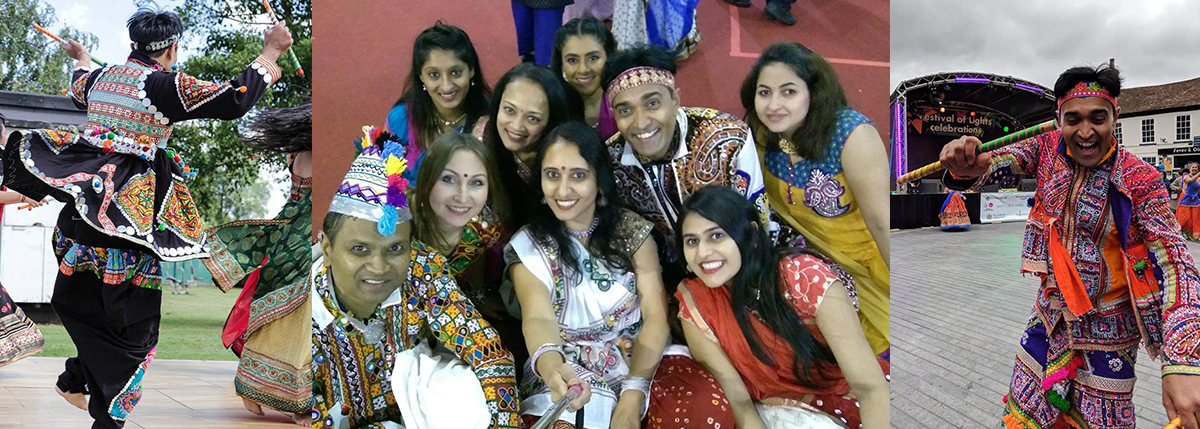
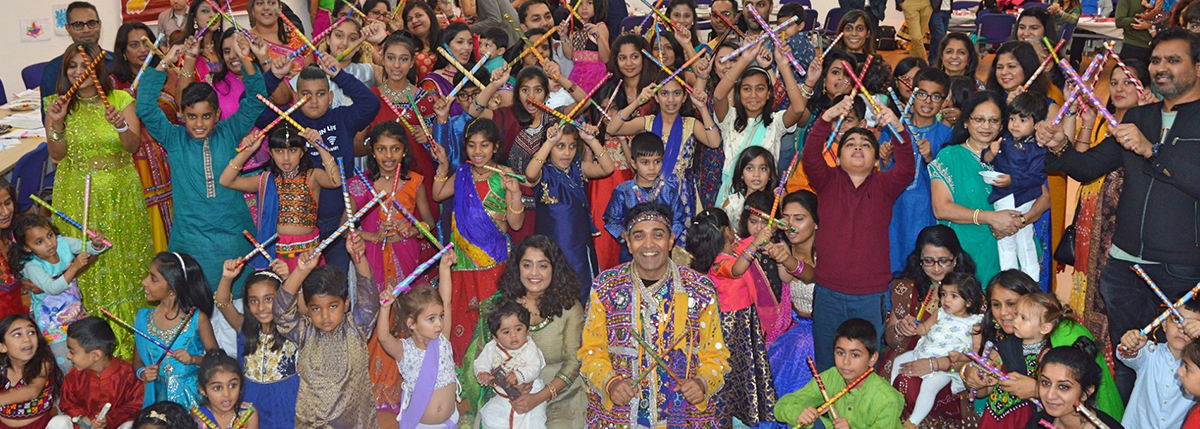
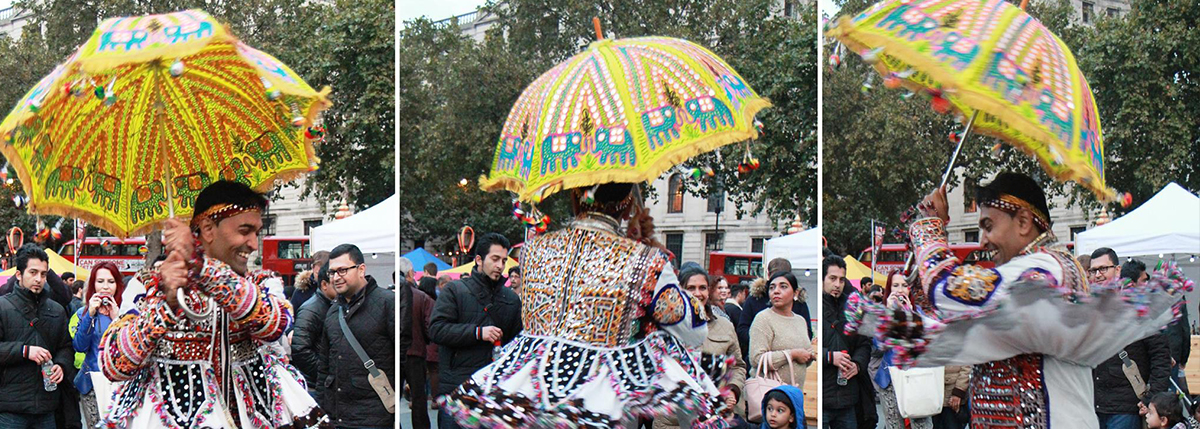
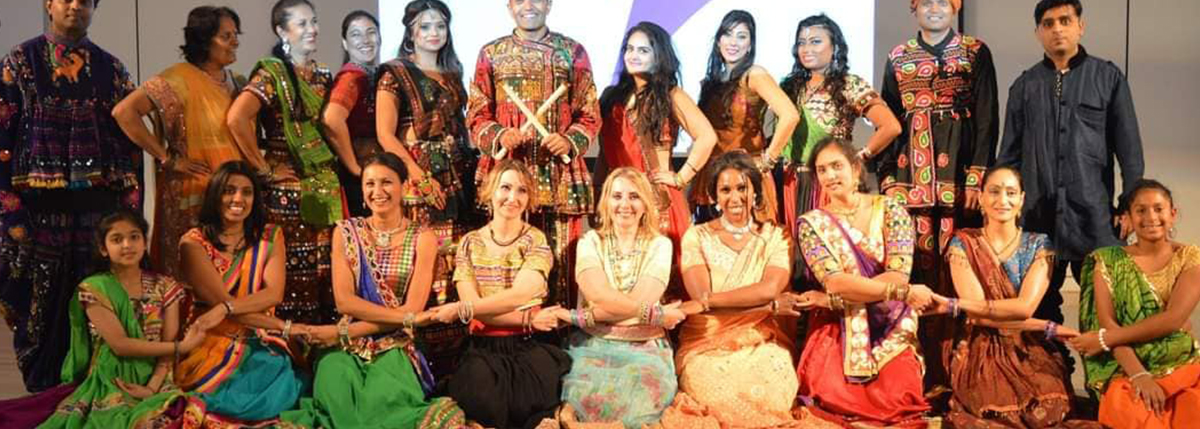
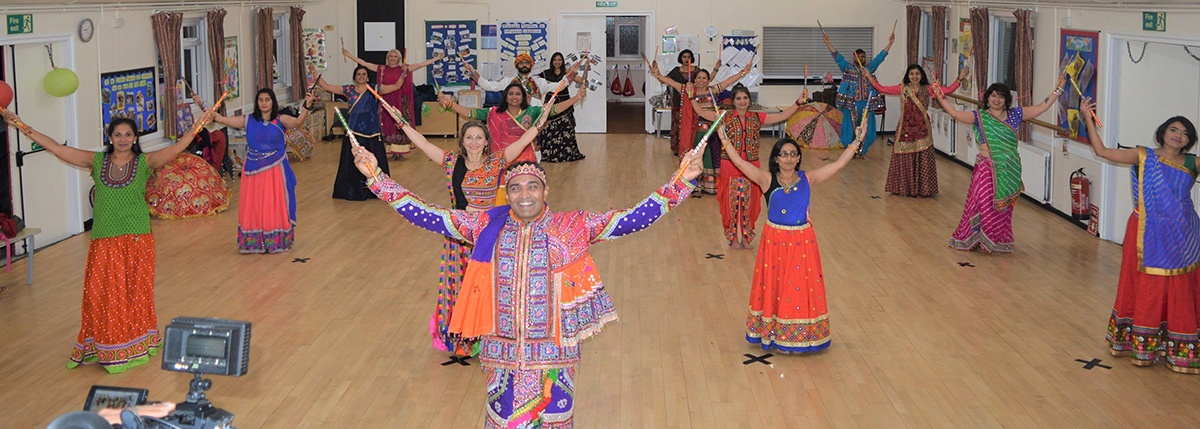
Families come together and celebrate by fasting, lighting a garbo (clay pot that represents the soul), eating traditional foods and most importantly dancing. Dancing with colourful wooden sticks called Dandiya and also other props like umbrellas.
There are two Dandiya sticks, one represents good and the other represents evil. Colourful clothes are worn to celebrate and bring the community together.
Raas Garba is danced in a circle to represent unity and equality.
Navratri usually falls in the Hindu calendar Ashwin (September-October), and the best time to enjoy the festivities both indoor and outdoor.
The Story of Goddess Durga and the significance of Navratri
- Goddess Durga represents the divine feminine energy and her victory of defeating a demon – Good over evil.
- Long ago, a powerful demon named Mahishasura caused chaos in the world. He was so strong that no god could defeat him. He had a special boon that made him nearly invincible — no man or god could kill him.
- The gods were worried and went to Lord Vishnu, Brahma, and Shiva for help. Together, they used their powers to create a powerful goddess — Durga — a warrior with ten arms, each holding a weapon. Durga was neither a man or a god but a goddess who has the ability to defeat a demon.
- Durga rode a lion and went to battle Mahishasura. They fought for nine days and nights. Finally, on the tenth day, Durga defeated and destroyed him, bringing peace back to the world.
- The moral is Good always wins over evil, and strength, courage, and righteousness can overcome even the greatest challenges.
In this BBC page Navratri is explained
In this you tube animated video a visual representation of the Story of Goddess Durga and the reason we celebrate Navratri